
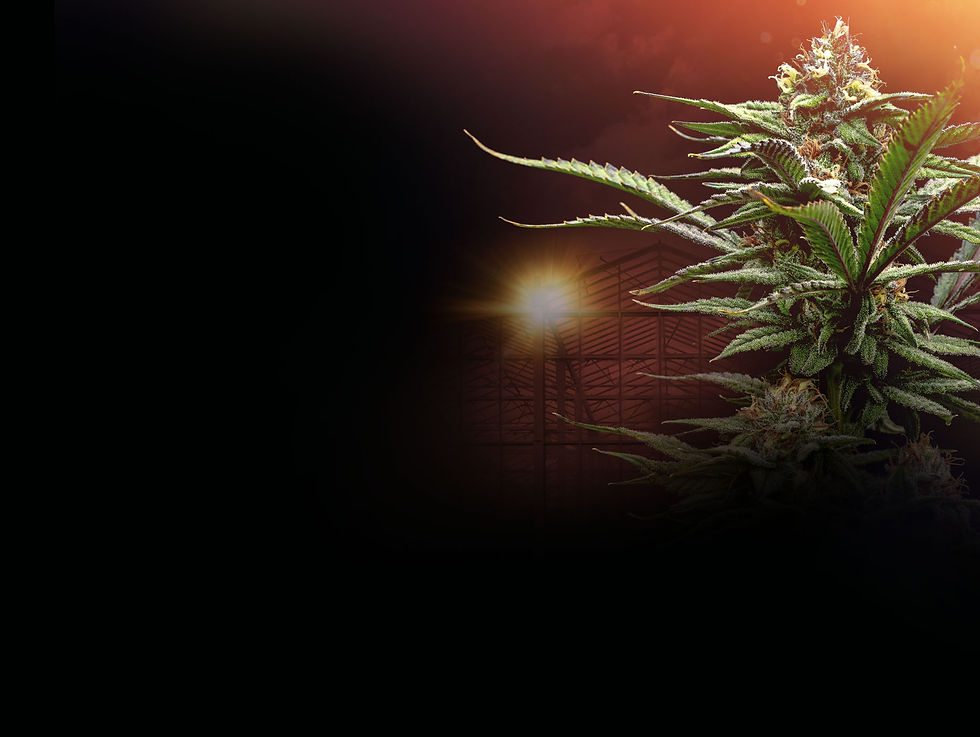
Indoor vs. Outdoor Cultivation:
Pros and Cons for Plant Growth
Licensed producers may cultivate cannabis in indoor, outdoor, or greenhouse environments, each presenting distinct advantages and challenges for plant growth, quality control, and regulatory compliance.
While members of the public are not permitted to cultivate cannabis, understanding these systems provides insight into how medicinal cannabis products are produced to pharmaceutical standards.
Why the Cultivation Environment Matters
The cultivation environment directly influences:
-
Plant growth rate and structure
-
Cannabinoid and terpene development
-
Exposure to pests and diseases
-
Environmental consistency and reproducibility
-
Compliance with microbial and contaminant standards (Punja, 2021)
In medicinal cannabis, environmental consistency is critical for achieving batch-to-batch chemical uniformity, which supports predictable therapeutic outcomes (Swift et al., 2021)
Indoor Cultivation
Advantages of Indoor Cultivation
Environmental Control
Indoor systems allow producers to tightly manage growing conditions, supporting consistent plant development and cannabinoid expression (Marschner, 2012).
Year-Round Production
Indoor facilities are not affected by seasonal changes, enabling continuous production cycles and reliable supply (Punja, 2021).
Reduced External Contamination
Controlled environments lower exposure to airborne pests, pathogens, and environmental pollutants, which assists in meeting TGO 93 microbial limits (TGA, 2022).
Product Consistency
High environmental stability supports uniform flower quality, an essential requirement for pharmaceutical-grade medicinal cannabis (Swift et al., 2021).
Challenges of Indoor Cultivation
High Energy Use
Artificial lighting, climate control, and ventilation systems contribute to significant energy consumption (Resh, 2013).
Operational Complexity
Indoor cultivation requires constant monitoring and technical expertise to maintain stable conditions (Punja, 2021).
Cost of Infrastructure
Purpose-built facilities must meet GMP standards, resulting in higher capital and operational costs (Office of Drug Control, 2023).
Outdoor Cultivation
Advantages of Outdoor Cultivation
Natural Light Spectrum
Sunlight provides a full-spectrum light source that supports normal plant physiological development (Taiz et al., 2015).
Lower Energy Requirements
Reduced reliance on artificial lighting and climate control lowers energy consumption (Resh, 2013).
Scalability
Outdoor cultivation can support larger plant numbers, making it suitable for certain large-scale production models (Punja, 2021).
Challenges of Outdoor Cultivation
Environmental Variability
Weather, temperature fluctuations, and seasonal changes can impact plant growth and cannabinoid consistency (Marschner, 2012).
Increased Pest and Disease Pressure
Outdoor plants are more exposed to insects, fungal pathogens, and environmental contaminants (Punja, 2021).
Regulatory Risk
Meeting TGO 93 microbial and contaminant limits can be more challenging due to environmental exposure (TGA, 2022).
Security and Compliance Requirements
Outdoor sites must meet stringent fencing, surveillance, and access controls, adding operational complexity (Office of Drug Control, 2023).
Conclusion
Indoor and outdoor cultivation systems each present distinct advantages and challenges for plant growth. In Australia’s tightly regulated medicinal cannabis industry, indoor cultivation is often favoured for its consistency and compliance, while outdoor cultivation may offer benefits in scalability and sustainability when carefully managed.
Ultimately, licensed producers select cultivation methods that best support quality, safety, regulatory compliance, and patient outcomes, rather than yield alone.
Disclaimer: This post is for informational purposes only and does not constitute medical or legal advice. Laws regarding prescription medicines vary by region, and readers should always consult with a qualified healthcare provider before using any prescription medication.
References: Marschner, P. (2012). Mineral nutrition of higher plants (3rd ed.). Academic Press. Punja, Z. K. (2021). Emerging diseases, pests, and production challenges in cannabis cultivation. Plants, 10(2), 326. Resh, H. M. (2013). Hydroponic food production (7th ed.). CRC Press. Swift, W., et al. (2021). Patterns and experiences of medicinal cannabis use in Australia. Harm Reduction Journal, 18(70). Taiz, L., Zeiger, E., Møller, I. M., & Murphy, A. (2015). Plant physiology and development (6th ed.). Sinauer Associates. Therapeutic Goods Administration. (2022). Therapeutic Goods Order No. 93 – Standard for Medicinal Cannabis. Australian Government. Therapeutic Goods Administration. (2023). Medicinal cannabis guidance documents. https://www.tga.gov.au